Choosing an easier first base abroad is not the same as choosing the cheapest country or the prettiest place on Instagram. For most Americans testing life abroad for one to three months, “easy” usually means fewer surprises: understandable paperwork, decent healthcare access, tolerable housing logistics, reliable internet, and enough everyday familiarity that the first month is not spent solving basic problems.
Portugal, Spain, and Panama all belong in that conversation, but they solve different problems. Portugal is the softer European landing. Spain is the stronger normal-life choice if you want bigger cities and public services around you. Panama is the lower-friction Americas option if dollar spending, shorter flights, and a familiar business rhythm matter more than European charm.
Quick answer: Choose Portugal if you want a gentle European trial run with English-friendly pockets and a slower rhythm. Choose Spain if you want stronger city infrastructure, healthcare depth, and public transit, and you can handle more bureaucracy. Choose Panama if you want U.S. dollar spending, easier flights from North America, and a retiree-friendly path, while accepting more heat and bigger quality gaps between neighborhoods.
Start with the kind of easy you actually need
The wrong way to compare these three places is to ask, “Which country is best?” That question is too vague. A better question is, “What would make my first month abroad feel manageable?” A retired couple with Social Security income, a remote worker with client calls, and a solo traveler testing Europe for the first time may all need different kinds of ease.
Use four filters. First, visa and stay length: can you do an honest one- to three-month test without starting a complicated residency process too early? Second, daily logistics: can you get groceries, phone service, pharmacy help, and transport without constant friction? Third, housing reality: can you find a furnished stay in a normal neighborhood without overpaying for tourist inventory? Fourth, health and backup systems: if something goes wrong, are you near real clinics, hospitals, and support?
That is why this comparison is not just a travel article. It is a first-base screen. You are trying to avoid two mistakes at once: choosing a place so cheap that daily life becomes tiring, or choosing a place so polished that the budget stops working after the first month.
Portugal: easiest if you want soft landing Europe
Portugal is often the gentlest first European base for Americans who want lower stress more than maximum excitement. It has walkable cities, a slower pace, mild coastal weather in many areas, and enough English in Lisbon, Porto, the Algarve, and expat-heavy towns that the first month can feel navigable. For readers who are nervous about trying Europe, Portugal can feel less abrupt than larger, faster countries.
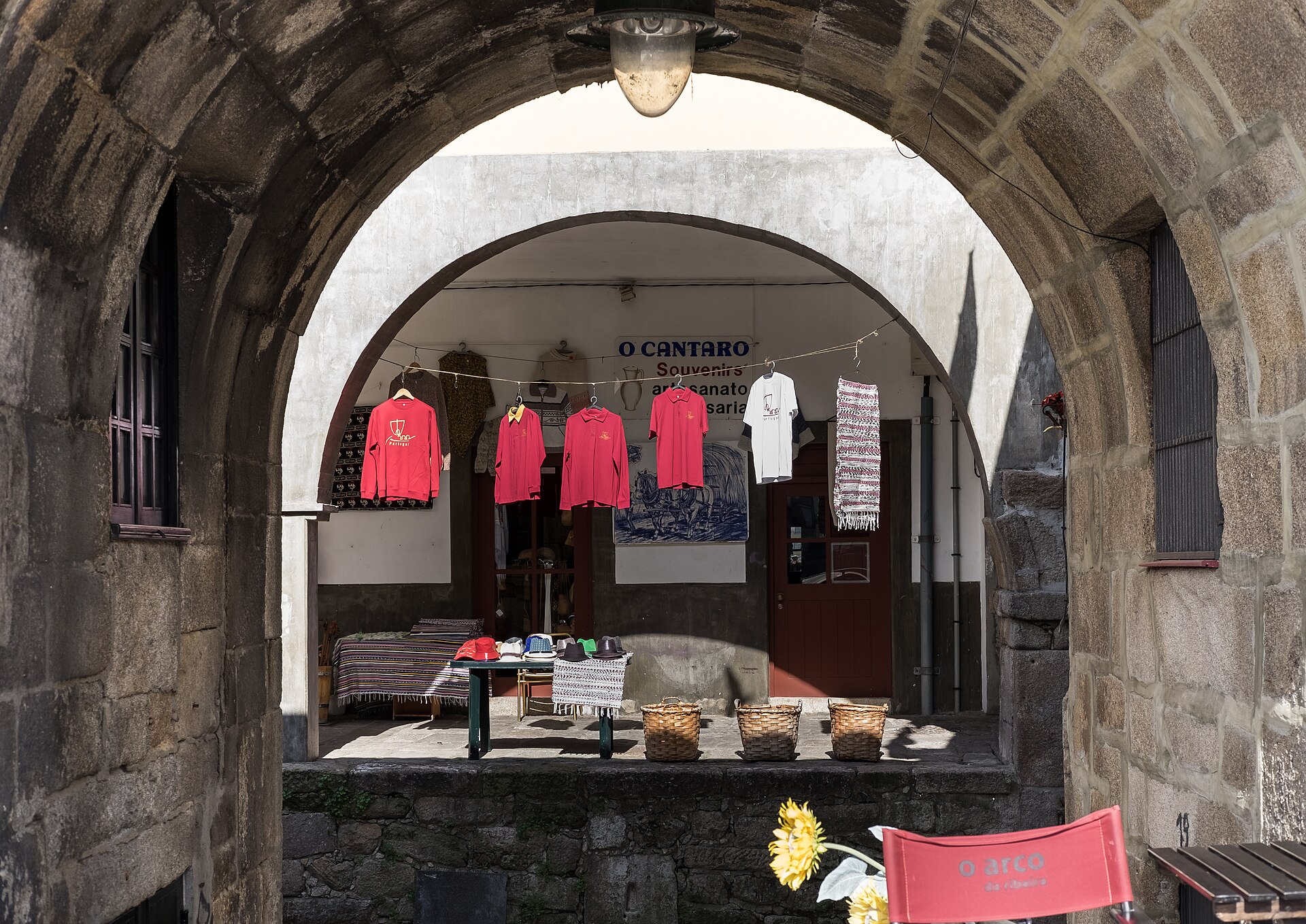
Archway at Cais da Ribeira, Porto, Portugal by Jules Verne Times Two, Wikimedia Commons, CC BY-SA 4.0. Source: https://commons.wikimedia.org/wiki/File:Archway_at_Cais_da_Ribeira,_Porto,_Portugal_(PPL1-Corrected)_julesvernex2.jpg. License: https://creativecommons.org/licenses/by-sa/4.0.
The tradeoff is that Portugal is no longer the easy bargain some older internet advice still describes. Lisbon and Porto can be expensive for short furnished rentals, and the Algarve can behave more like a seasonal market than a normal local market. A moderate test month is still possible, but readers should budget like adults: a solo traveler may need roughly $2,200 to $3,200 for a comfortable test month in a practical city, while a couple may need more if they want central furnished housing. Smaller cities can reduce the pressure, but not every smaller city has the same medical access, transit, or English cushion.
Portugal also has real bureaucracy. U.S. citizens can usually visit Portugal short-term inside the Schengen 90-in-180-day framework, but anyone thinking about staying longer needs to verify current national visa and residence rules through official Portuguese channels. Portugal’s national visa information explains that residence visas are normally a bridge to applying for a residence permit after arrival, not a casual tourist extension. That distinction matters if your “trial run” quietly becomes a relocation plan.
Portugal is strongest for people who value calm, weather, safety feel, and a softer cultural landing. It is weaker for readers who need the lowest possible monthly cost, instant paperwork clarity, or a deep job market. If your first-base plan is mostly about learning whether you like Europe without being overwhelmed, Portugal is a sensible first test. If your plan depends on very cheap rent in a famous coastal area, be more skeptical.
Spain: easiest if you want bigger-city normal life
Spain is less “soft” than Portugal in some ways, but it can be easier for daily life if you pick the right city. Valencia, Alicante, Malaga, Granada, Seville, Madrid, and smaller regional cities give Americans a wide range of public transit, apartments, pharmacies, medical services, grocery options, and normal neighborhoods. Spain is often the better answer for someone who wants to live a real city routine, not just have a gentle introduction.
The biggest advantage is infrastructure depth. In many Spanish cities, you can live without a car, reach major hospitals, use trains or buses, and build a normal weekly rhythm around markets, cafes, parks, and transit. If you are comparing first bases for a one-month test, that depth matters. It lets you test daily life instead of spending the whole month testing whether you can get around.
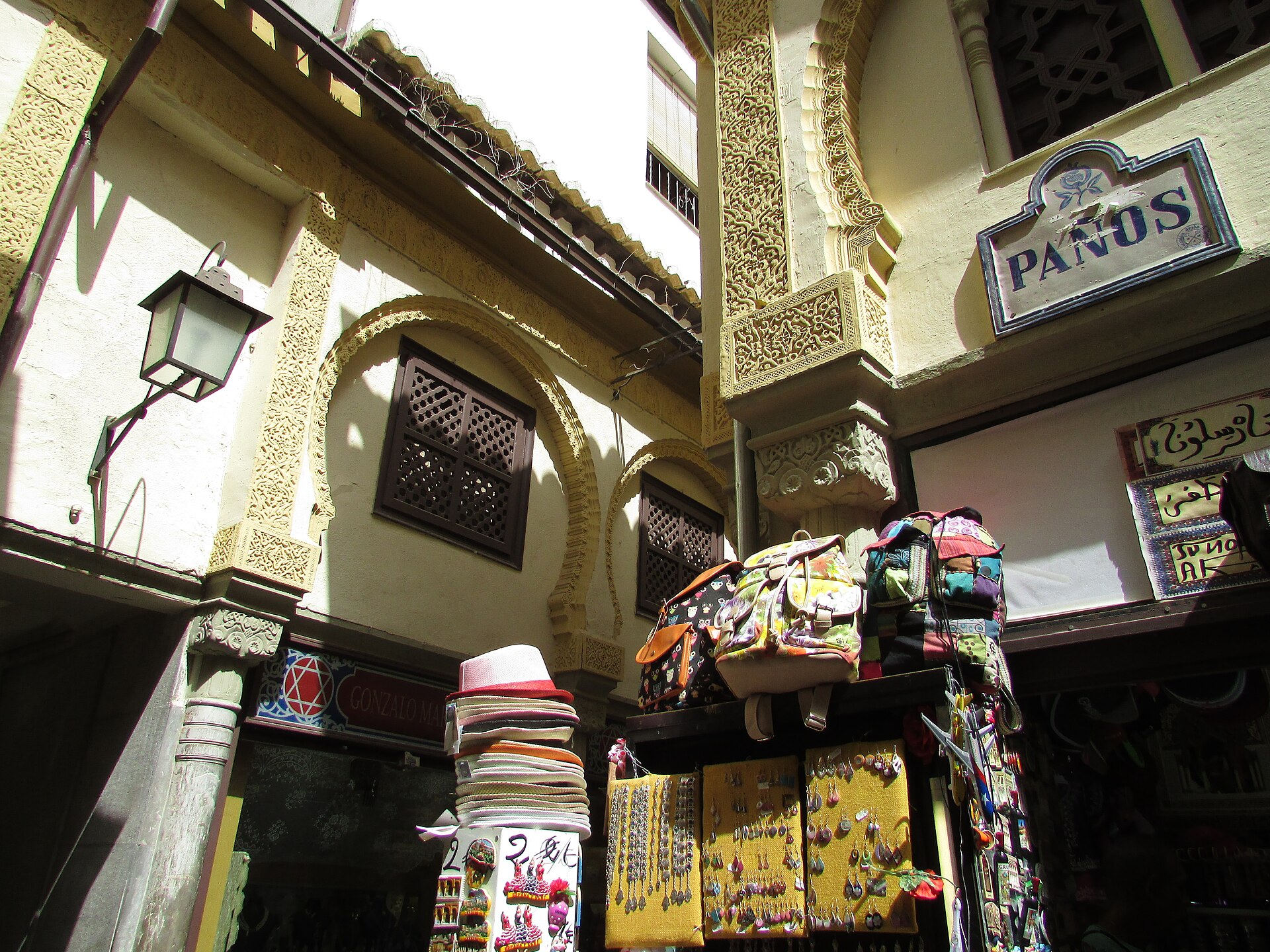
Alcaiceria, Granada, Granada, 18 July 2016 (1) by Kolforn, Wikimedia Commons, CC BY 3.0. Source: https://commons.wikimedia.org/wiki/File:Alcaiceria,_Granada,_Granada,_18_July_2016_(1).JPG. License: https://creativecommons.org/licenses/by/3.0.
The friction is paperwork, language, and cost variation. Spain’s non-lucrative residence visa is for living in Spain without working, and official consulate guidance is specific about documents, jurisdiction, financial means, medical insurance, and the no-work nature of the visa. That does not make Spain impossible, but it does mean a long-stay plan needs careful timing. A short exploratory stay is much simpler than a residency application.
For budget, Spain can be better value than Portugal in some city pairs, especially outside Madrid, Barcelona, and the most crowded coastal zones. A realistic test month for a solo American might sit around $2,000 to $3,000 depending on city, season, and housing standards. Couples who want a central furnished apartment should budget more. Spain is not a magic cheap-life answer, but it gives you more city choices where the tradeoff between rent, transit, healthcare, and social life can be balanced.
Spain is strongest for readers who want normal city life, public transportation, healthcare access, and a bigger menu of possible bases. It is weaker for people who need an English-first environment or who freeze when bureaucracy gets detailed. If you are willing to learn basic Spanish and choose a practical city instead of chasing the most famous destination, Spain may be the best overall first-base test of the three.
Panama: easiest if you want dollar spending and U.S.-style logistics
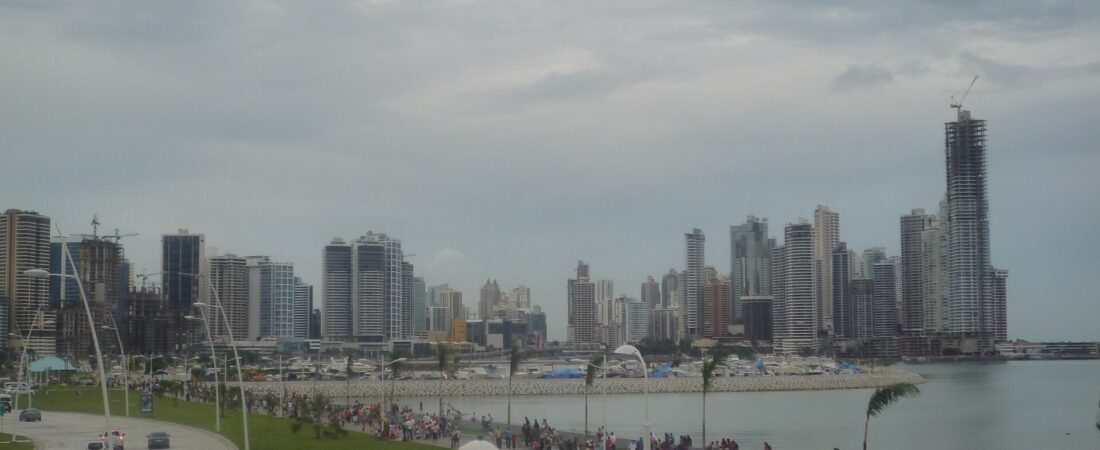
Panama is the easiest of the three for a different kind of reader. It is not trying to be Europe. Its advantages are proximity to the United States, use of the U.S. dollar, a major air hub in Panama City, familiar retail and banking patterns in some areas, and a long-established retiree channel. For Americans who want less currency confusion and easier flights back, Panama can feel more practical than romantic.
The official Embassy of Panama retiree information describes the Pensionado route around a lifetime pension threshold, with applications handled in Panama through an immigration lawyer. That can be attractive for retirees with stable income, but it is not the same as saying every American should move there. Panama still requires local legal help, document preparation, and a clear understanding of where you actually want to live.
Panama City has the deepest services, international flights, private healthcare options, and apartment supply, but it also has heat, traffic, and big-city intensity. Boquete offers cooler weather and a well-known retiree scene, but it is smaller and more dependent on whether you like mountain-town life. David is more practical and less polished. The spread between these options is large, which is why Panama should be tested by city, not treated as one single answer.
Budget can be attractive, but it depends heavily on lifestyle. A Panama City test month can become expensive if you copy an upscale U.S. routine. Boquete can be calmer, but desirable furnished rentals are not always cheap. A practical solo test budget might land around $1,900 to $3,000, with couples spending more depending on housing and healthcare preferences. Panama may be easier operationally, but not automatically cheaper than a careful Spain or Portugal plan.
Panama is strongest for retirees, people who want North America time-zone convenience, and readers who prefer dollar-based planning. It is weaker for people who want walkable European city life, cooler weather outside specific areas, or a broad public-transit lifestyle. If your stress point is distance from the U.S., Panama deserves a serious look. If your stress point is heat or car dependence, test carefully.
Healthcare and medication access
All three countries can work for a first base, but none should be chosen from vibes alone if prescriptions, specialists, mobility limits, or emergency care matter. Portugal and Spain have strong healthcare systems, but temporary visitors and new residents need to understand insurance, private care access, and what public coverage does or does not apply to their status. Panama has private hospitals and clinics that many expats use, especially in Panama City, but access varies more once you leave the capital.
For a first test, the practical question is not “Which country has the best healthcare?” It is, “Can I get help within a reasonable distance from the neighborhood I would actually book?” Before committing to a month, map the nearest private clinic, pharmacy, hospital, and English-capable medical help. If you take recurring medication, check the generic name, local availability, legal import rules, and refill plan before you leave.
This is also where a simple planning worksheet helps. The Destination Shortlist Kit is a natural fit if you want to compare these countries without turning the decision into a giant spreadsheet. Use it to score the practical pieces: housing, healthcare, climate, flights, internet, social fit, and worst-case backup options.
Best fit by reader type
Choose Portugal if you want a softer European start, mild lifestyle, coastal or smaller-city options, and a slower rhythm. It is especially good for readers who would rather make a calm first move than optimize every dollar.
Choose Spain if you want strong city infrastructure, trains and transit, lots of possible bases, and better odds of testing normal daily life without needing a car. It is often the best pick for people who want Europe but need more depth than a gentle small-country landing.
Choose Panama if you want shorter flights from the U.S., dollar spending, a clearer retiree lane, and a practical Americas base. It is the best fit for readers who value logistics and proximity more than European lifestyle.
Be cautious with Portugal if your budget depends on cheap rent in Lisbon, Porto, or the Algarve. Be cautious with Spain if you need English to carry every interaction or you are not ready for paperwork. Be cautious with Panama if heat, traffic, or uneven infrastructure will wear you down.
A simple first-base decision rule
If you are still stuck, use this rule: choose the country where your first ordinary Tuesday would be easiest. Not the country with the prettiest old town. Not the country with the lowest rent screenshot. The ordinary Tuesday test asks where you can wake up, get groceries, handle a pharmacy issue, take a walk, do laundry, make a call, and get home without feeling like every task is a negotiation.
For many Americans, Portugal wins the emotional ease test. Spain wins the normal-life infrastructure test. Panama wins the practical logistics test. Your best first base is the one that solves your weakest point, not the one that wins someone else’s ranking.
Before booking, read how to choose your first base abroad without overthinking it, compare the best first countries for an easier trial run, and then narrow the decision with a three-city shortlist. If Spain or Portugal stays on the list, use the Portugal vs Spain moderate-budget comparison. If Panama stays on the list, compare Panama City, Boquete, and David before booking a neighborhood.
The safest move is a controlled test: 30 days in one practical city, not a rushed tour across three countries. Use the first week to solve basics, the second week to test routine, the third week to notice what annoys you, and the fourth week to decide whether you would return when the novelty is gone. That rhythm pairs well with a real 30-day city test.
Compare places with the City Fit Dashboard: If you want to sort destinations by budget, healthcare comfort, internet, airport access, and everyday-life friction, use the City Fit Dashboard alongside this guide.
If you are narrowing the list from easier first bases to nearby Americas options, compare Mexico vs. Panama as practical first-base options before you decide whether proximity, healthcare familiarity, or a more international hub matters most.
If the European side of this shortlist is pulling you toward a smaller coastal rhythm, Chania as a slower Mediterranean test stay before you spend Schengen days on Crete. It is a beautiful option, but island seasonality, healthcare depth, and summer housing pressure change the first-base math.
If the appeal of Portugal or Spain is the Mediterranean pace but you want more English in daily life, Valletta and Sliema as an English-friendly Mediterranean test base is worth comparing before you choose your first European base.
References
- Embassy of Portugal in Washington, D.C., visa information: https://washingtondc.embaixadaportugal.mne.gov.pt/en/consular-services/visa-information
- Portuguese Ministry of Foreign Affairs, national visa types: https://vistos.mne.gov.pt/en/national-visas/general-information/type-of-visa
- Portuguese Ministry of Foreign Affairs, residence visa documentation: https://vistos.mne.gov.pt/en/national-visas/necessary-documentation/residency
- Spanish consular guidance for the non-working residence visa: https://www.exteriores.gob.es/Consulados/losangeles/en/ServiciosConsulares/Paginas/Consular/Visado-de-residencia-no-lucrativa.aspx
- Embassy of Panama, retiree residence information: https://www.embassyofpanama.org/retire-in-panama
- U.S. State Department travel advisory for Portugal: https://travel.state.gov/en/international-travel/travel-advisories/portugal.html
- U.S. State Department travel advisory for Spain: https://travel.state.gov/en/international-travel/travel-advisories/spain.html
- U.S. State Department international travel information for Panama: https://travel.state.gov/content/travel/en/international-travel/International-Travel-Country-Information-Pages/Panama.html
- CDC Travelers’ Health destination list: https://wwwnc.cdc.gov/travel/destinations/list
- Numbeo cost-of-living comparison database, used as a directional secondary cost check: https://www.numbeo.com/cost-of-living/