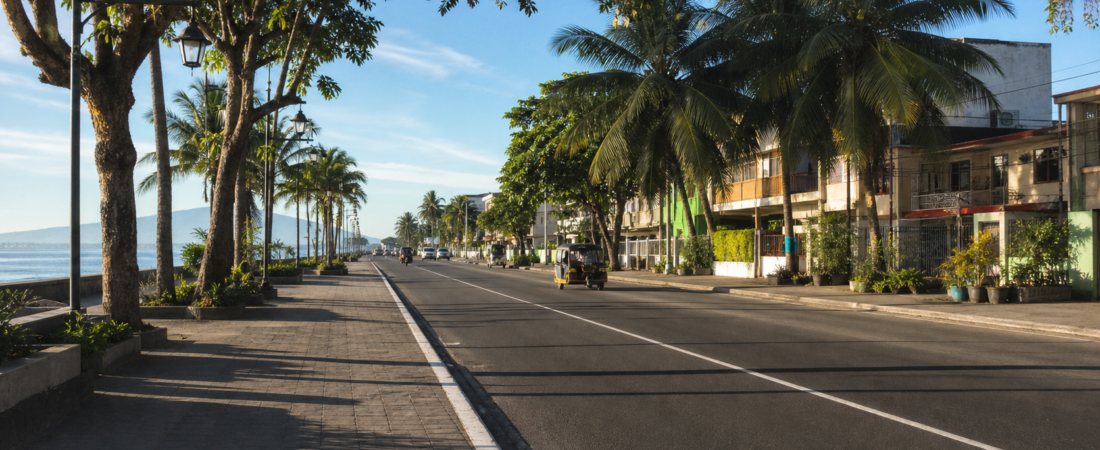
Quick answer: Dumaguete can be a thoughtful first Philippines base if you want a slower, smaller-city routine and are willing to trade some big-city convenience for it. Treat the exact neighborhood, care route, internet backup, and flight or ferry plan as the decision—not the waterfront image or an expat recommendation.
What Dumaguete is—and is not
Dumaguete is often attractive to Americans because it can feel more navigable than Metro Manila or Cebu City. English is commonly used in many everyday settings, the city has a university-town character, and a waterfront-oriented core makes it easier to picture a modest routine of errands, cafés, groceries, and short rides. Those are useful reasons to test it. They are not proof that every apartment, provider, or rainy-day route will work for you.
The right comparison is not “cheap island life” versus a difficult metropolis. It is a smaller provincial-city routine versus a larger regional-city routine. Dumaguete offers less traffic and a lower-intensity daily rhythm for many people, but it also has a shallower bench of specialists, international connections, building choices, and backup options. If a medical specialist, frequent airport access, a particular prescription, or a very reliable work setup is non-negotiable, test those facts before you sign a lease.
For the regional-city alternative, start with the Cebu City guide. For a country-level decision frame, use the Philippines long-stay guide. The City Fit Dashboard is useful for a first shortlist, but it cannot tell you whether a specific Dumaguete address gives you the care, noise, stairs, internet, or transportation you need.
Who tends to fit Dumaguete best
Dumaguete can be worth a trial stay for someone who wants a smaller day-to-day footprint: a calmer base, a neighborhood where most ordinary tasks do not require planning around a megacity, and a willingness to make the city itself part of the test. It may suit retirees or flexible remote workers who can tolerate a slower service pace and who have a solid backup plan.
It is a weaker first choice for someone who needs maximum hospital depth close by, expects a big choice of international-standard condo buildings, has a hard-to-replace medicine, dislikes heat and rain disruption, or plans frequent international flights. None of those limitations make the city a bad choice. They make it a choice that should be tested honestly.
Housing and budget: build an address-level planning band
Do not budget from a social-media rent anecdote. Furnished rent can change sharply with exact location, air conditioning, building condition, furnishings, lease length, season, and whether utilities are included. Add deposits, water, electricity, mobile data, internet, laundry, transportation, and occasional ferry or domestic-flight costs. Imported food preferences and a need for private care can also move the number quickly.
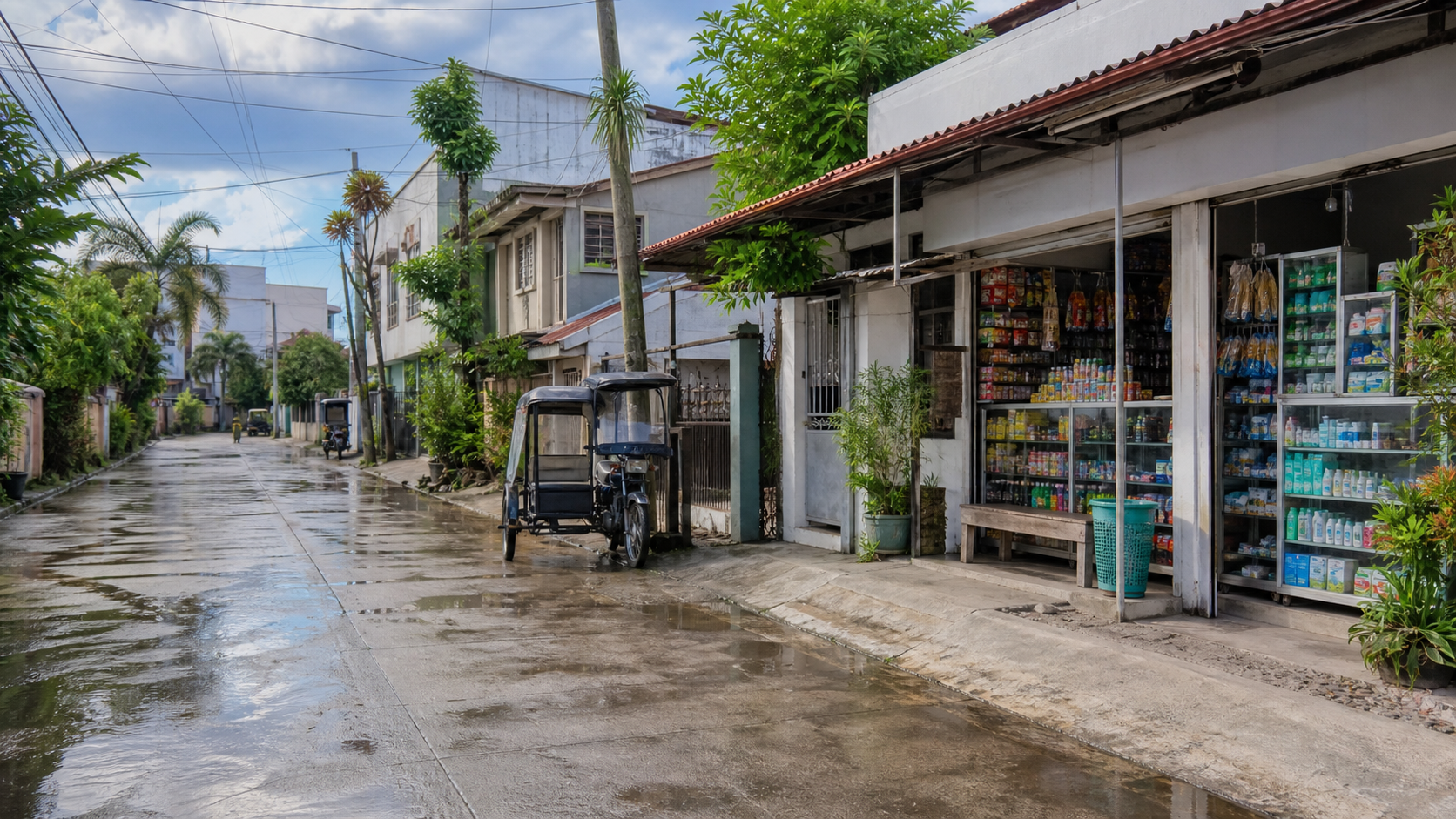
Start by choosing two or three real addresses for the dates you could actually stay. Ask for a current video walk-through, then confirm water pressure, cooling, cooking, noise after dark, mobile signal, desk space, laundry, delivery access, building security, and who handles repairs. Walk the route to groceries, a pharmacy, an ATM or bank, a ride pickup point, and the provider you would use in an urgent situation. Do that in rain if possible. A unit can be attractive and still create a difficult ordinary week.
The smaller-city tradeoff: healthcare, prescriptions, and emergencies
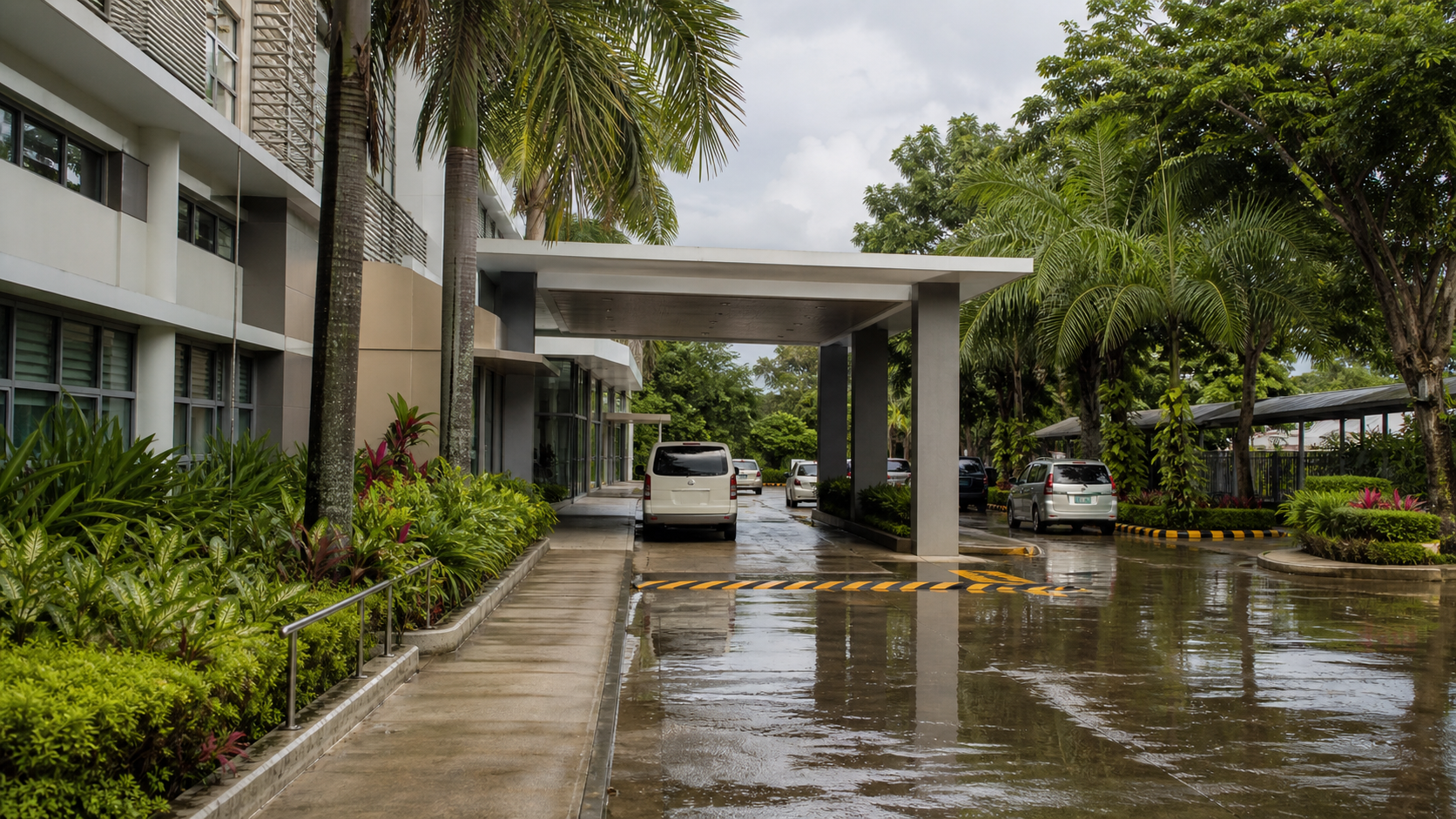
This is planning guidance, not medical advice. Dumaguete has healthcare options, but “there is a hospital” is not a sensible answer to a personal care question. Identify the exact facility and clinician relevant to your needs. Confirm current hours, payment process, insurance acceptance, language support, appointment availability, and how you would reach it from the building you are considering. If ongoing specialty care or a particular medicine matters, contact the provider and insurer directly before extending.
Philippine Executive Order No. 56 institutionalizes 911 as the national emergency hotline. Save 911, but also save a written address, a local transport option, your medical summary, and the route to the facility you would actually use. A smaller-city emergency plan needs a fallback for a situation that requires more capability elsewhere. The Medical Prep Abroad Kit is a practical worksheet for organizing those questions before travel.
Flights, ferries, weather, and practical mobility
Dumaguete is not a city where you should assume a big-city transport fallback appears on demand. Test your arrival day and your likely onward route. Check current airline and ferry schedules for the exact dates, build buffer time around weather and connections, and keep enough money and phone access for a change of plan. If your routine needs frequent trips to Cebu, Manila, or abroad, price the time and friction as well as the ticket.
For ordinary movement, walk and ride the routes you will repeat: housing to food, pharmacy, care, cash, work, waterfront, and pickup point. Hills, crossings, rain, road condition, heat, and last-mile rides can matter more than a map’s distance. If remote work matters, complete a video call and an upload test from the actual unit, then test mobile data as a backup. “Fast Wi-Fi” in a listing is not a continuity plan.
A sensible first-month test
Book a reversible first stay where you can learn the real rhythm. During the first week, do an unglamorous loop more than once: buy groceries, collect a prescription if relevant, get cash, make a daytime and evening ride, walk after a shower, and locate your care route. Ask the landlord what happens during an outage or a repair. Try the internet at the time you would actually work.
Before extending, review what the month proved. Was the city comfortable because your exact location worked, or because you stayed in a temporary convenience bubble? Did the care route feel credible? Did rain and transport change your plans? Can you live with the connection tradeoff? A useful answer is more valuable than forcing Dumaguete to be a fit.
Stay rules: use official sources, close to travel
For eligible non-visa-required visitors, the Philippine Bureau of Immigration describes an initial 30-day visa-waiver admission and extension processes. Requirements, fees, eligibility, and procedures can change, so read the current Bureau of Immigration guidance and use official channels immediately before travel or extension—not a blog post. Complete any required arrival declaration through the official eTravel portal.
Bottom line
Dumaguete is worth considering when you want a deliberately smaller Philippines base and can make the tradeoffs explicit. It is not a shortcut around due diligence. Choose the exact address, build your budget from that address, verify care and prescription realities, and rehearse the rainy-day and connection plans before you treat a pleasant first week as a long-stay decision.
References
– Philippine Bureau of Immigration: Visa Waiver – Philippine eTravel official portal – Executive Order No. 56: Nationwide 911 Emergency Hotline – Dumaguete City Government (local context; verify current service details directly)
For a middle-sized alternative to a deliberately smaller Philippines base, see the Iloilo guide.
For a cooler, hillier Philippines base, compare Dumaguete’s tradeoffs with our Baguio guide.
To compare Dumaguete with a larger and a middle-scale first Philippines base, see Cebu vs. Dumaguete vs. Iloilo.
Philippines cost planning: What It Costs Americans to Live in the Philippines: Cebu, Manila, Dumaguete, and Iloilo Compared
Choosing a Philippines base: City or Island? How to Choose a Philippines Base for a Longer Stay
Choosing a Philippines base: How to Choose a Philippines Base When Healthcare, Weather, and Travel Are Not Equal
For the food, waterfront, and cultural rhythm behind a test stay, read our Dumaguete ordinary-week companion. It treats museum access and outings as possibilities to confirm, not guaranteed plans.